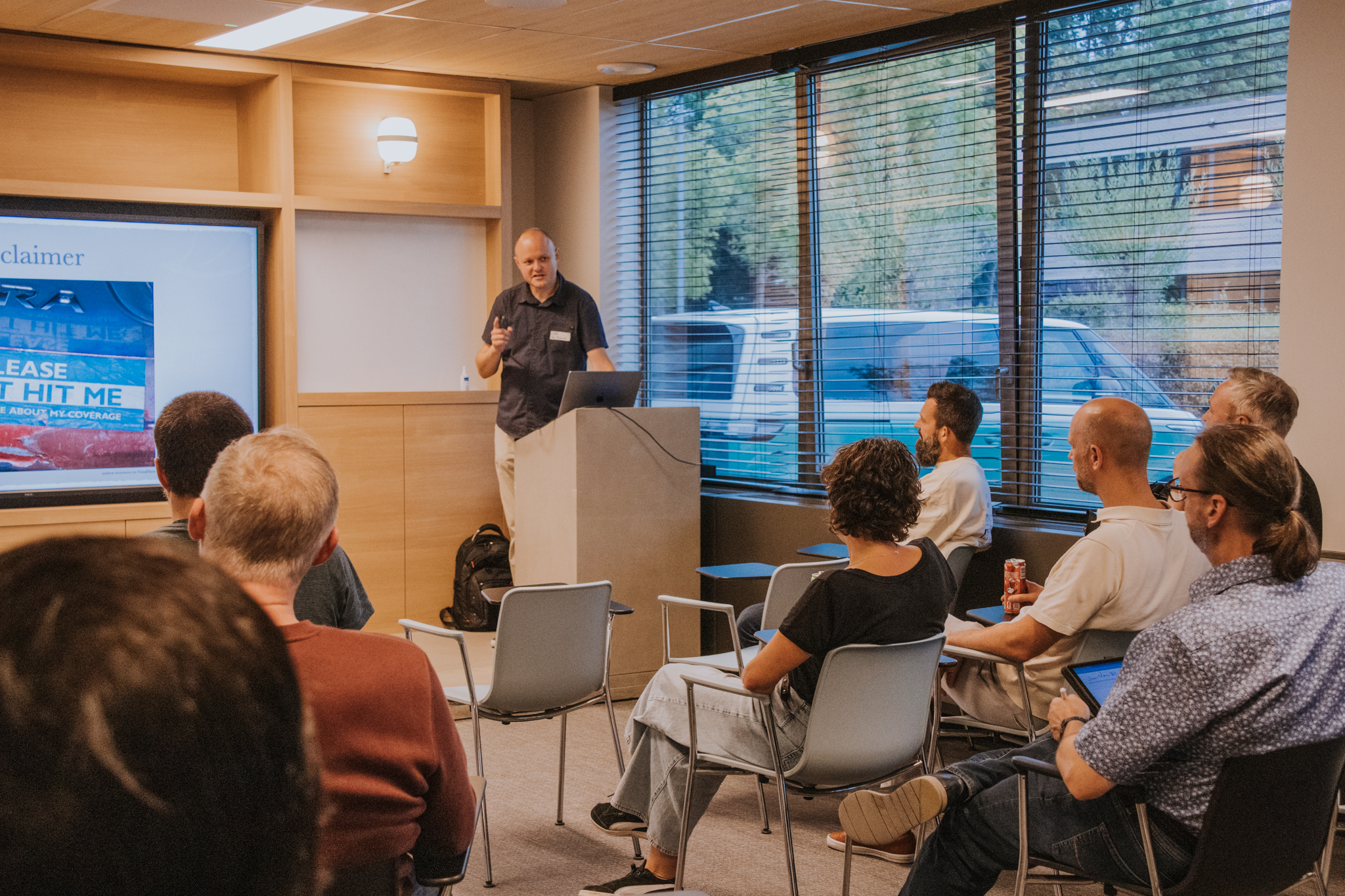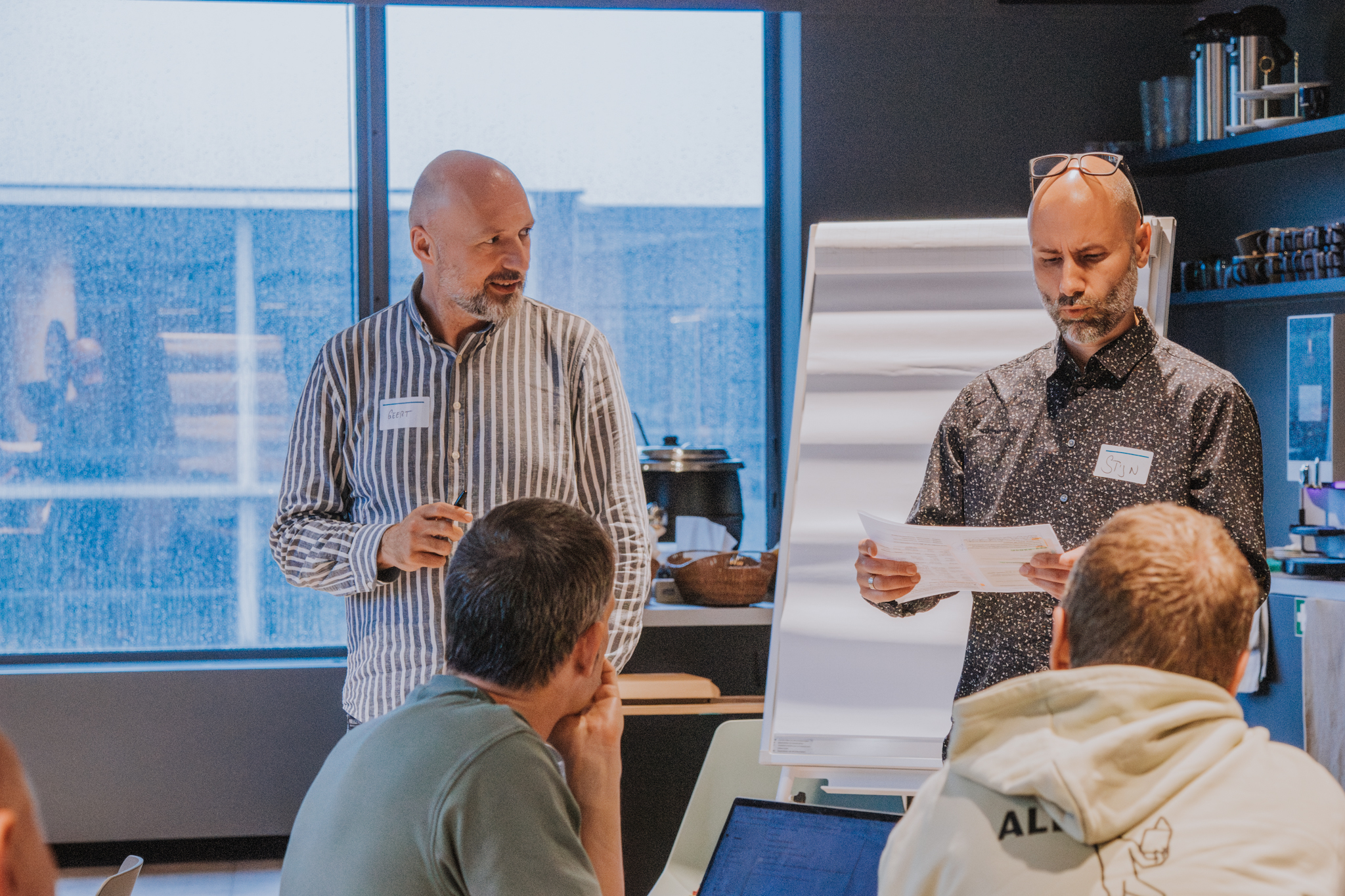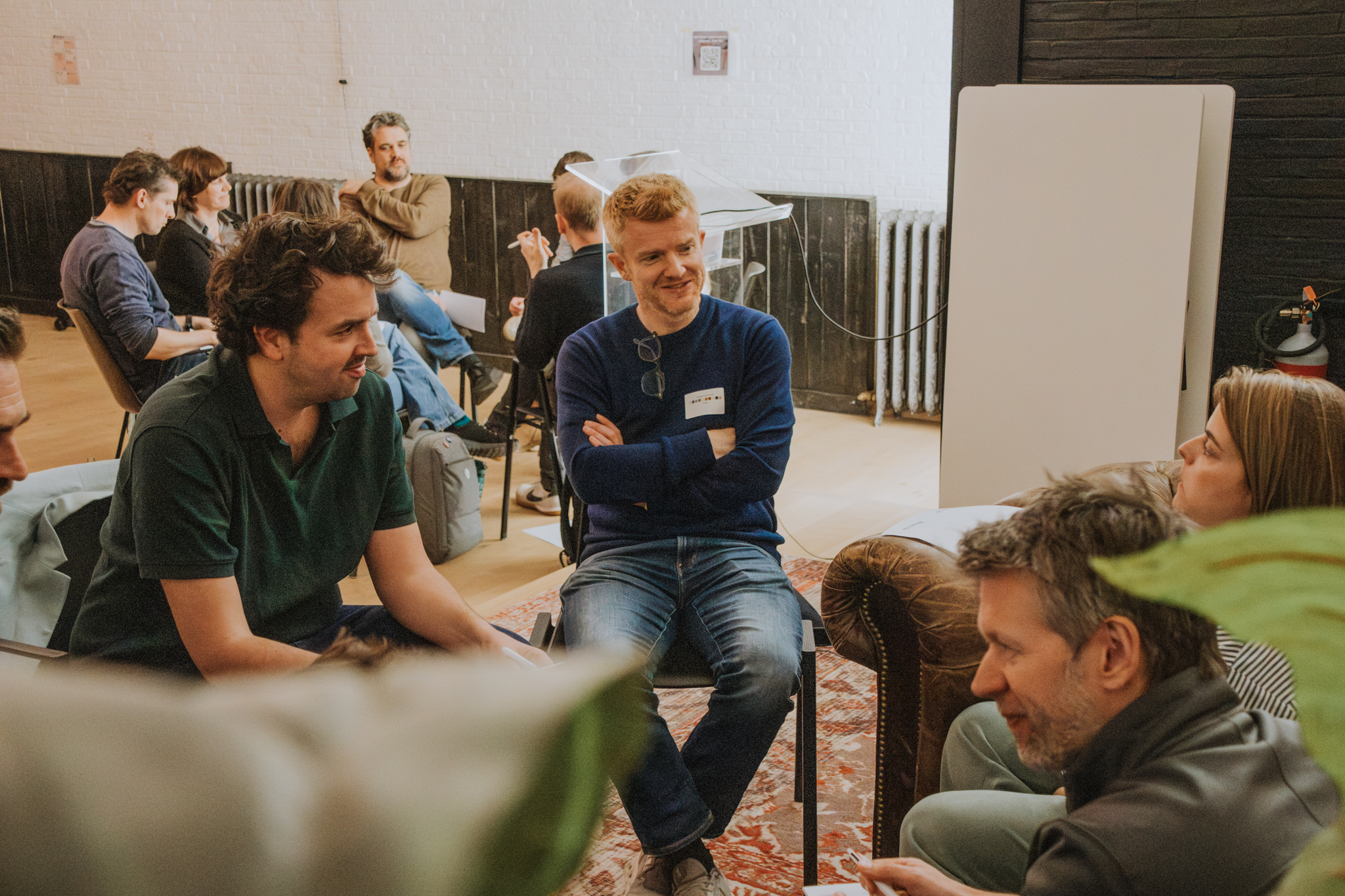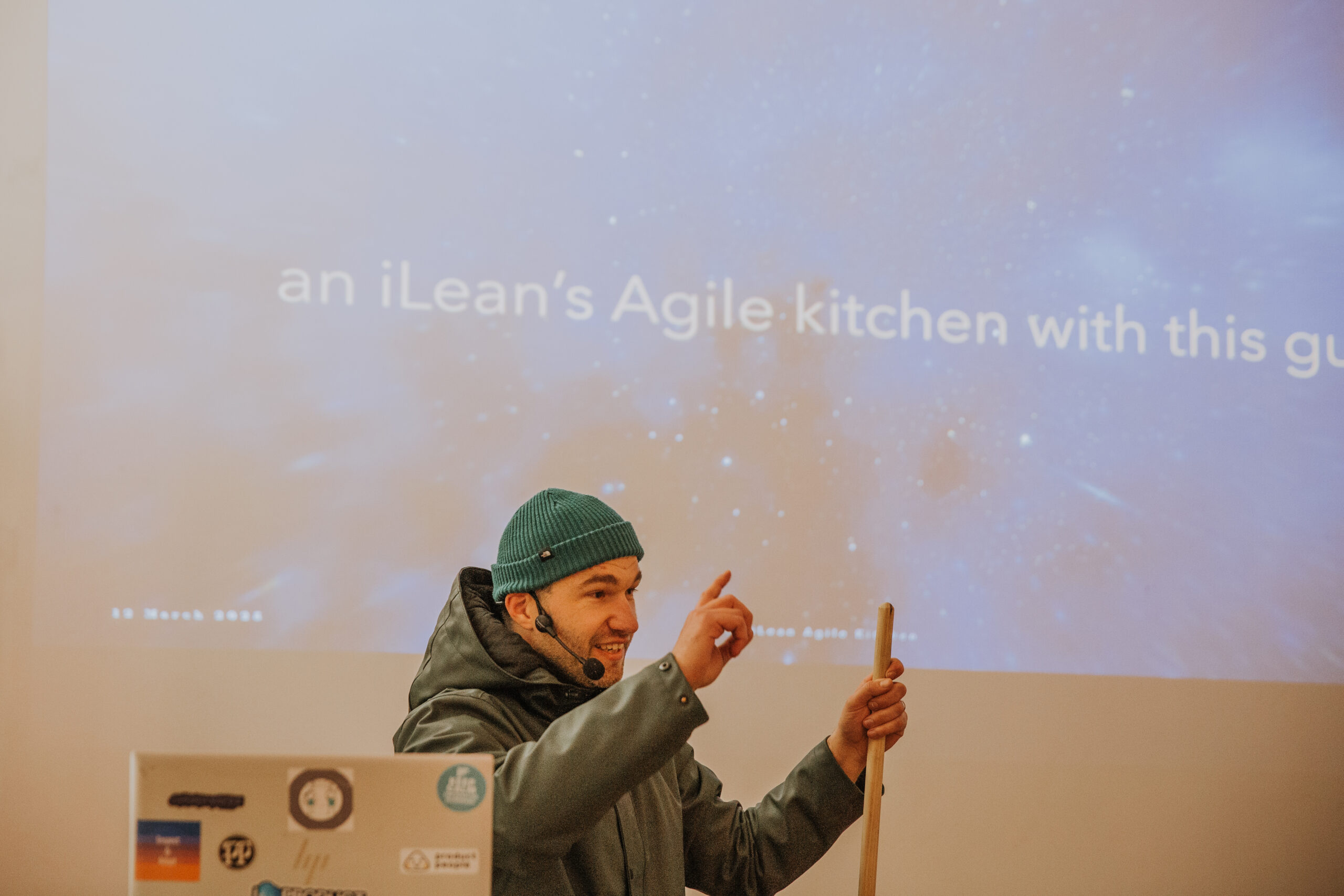


The Agile Kitchen on March 12th was all about negotiation, served up in an interactive, no-nonsense session led by Jan Van Der Burgt. Product Owners often find themselves in the middle of competing priorities, tough conversations, and high-stakes trade-offs. This session focused on practical techniques to navigate those moments with confidence. If you missed it or just want a second helping, here’s a recap of the key takeaways.
The ingredients for a strong negotiator
Before diving into the recipes for success, Jan laid out a few ground rules:
With that, it was time to start mixing negotiation tactics into everyday Product Owner work.
Act 1: Battle-scarred negotiators
The best lessons come from experience. So, the session kicked off with a quick-fire exchange of negotiation war stories. Participants paired up to share a tough negotiation, what worked, what didn’t, and their biggest takeaway.
As stories spilled out, patterns started to emerge. Some negotiations crashed and burned: ego clashes, emotional outbursts, or unclear priorities turning them into a mess. Others? They ran like clockwork. What made the difference? Active listening. Solid preparation. A real effort to understand what the other side actually needed.
Lessons from the trenches
Act 2: The F-bomb in negotiations
One theme that kept coming up? Fairness. Jan explained why calling something “fair” in a negotiation can backfire. It might seem neutral, but it’s often a trap:
“We just want a fair deal.”
This subtly suggests the other side is being unfair, pushing them into a defensive stance and resetting the conversation back to square one, before they even felt mistreated.
“I think we made you a fair offer.”
This puts pressure on the other person to concede without discussion. A stronger response here? Flip it back with, “What makes you think this is fair?”, forcing them to justify their position instead of assuming you’ll agree.
Rather than debating fairness, set clear expectations early on:
“I want you to feel like this is a fair process. If at any point you don’t, let’s talk about it immediately.”
This keeps the conversation open, prevents emotional roadblocks, and shifts the focus toward finding a workable outcome rather than getting stuck in a standoff.
Act 3: Mastering the heat of the moment
The Ackerman method
A structured way to adjust your offers without overcommitting:
The illusion of control
Instead of making statements, ask questions that guide the conversation while making the other person feel in control:
This shifts the focus from rigid demands to problem-solving.
A quick no, a slow yes
In negotiation, what you hold back can be just as important as what you say.
Jan explained why saying “no” feels uncomfortable, and how to use it effectively without shutting down the conversation. One way to get there?
“Must we do this now?” (Schuurman & Vermaak)
This question creates space, reframes urgency, and keeps negotiations moving without unnecessary pressure.
Act 4: Negotiating in a Product Owner’s world
Stakeholder influence on sprint planning
A key question was put on the table:
“Should stakeholders have direct influence over sprint planning?”
Rather than jumping straight into opinions, Jan had everyone step away from their initial stance, chat with others, and see if they could shift someone’s perspective before casting a vote.
The exercise showed that negotiation is as much about understanding motivations, finding leverage, and timing your moves as it is about reaching your own goals.
Anchoring & loss aversion
Daniel Kahneman’s research on cognitive biases shows how subtle shifts in perception can influence decision-making in negotiations. Two key concepts at play:
Example: Instead of saying “This will help you gain an extra X% efficiency”, reframe it as
“Without this, you risk falling behind competitors who are already adopting it.”
Mastering these biases helps shift negotiations in your favor, without the other party even realizing it.
Final course: Key takeaways
To wrap things up, Jan had everyone write down their biggest negotiation takeaway and share it with the group. Some of the standout lessons included:
Sources
Kahneman, D. (2011). Thinking, Fast and Slow. Farrar, Straus and Giroux.
Schuurman, R. & Vermaak, W. (2019). 50 Tinten Nee. Boom.
Voss, C. & Raz, T. (2018). Never Split the Difference. HarperCollins.
Jan closed the session with a simple but powerful reminder:
“Negotiation is everywhere. It’s in every backlog discussion, every roadmap decision, every stakeholder meeting. The better you get at it, the more impact you’ll have as a Product Owner.”
And remember, there’s always more room to maneuver than it seems at first.
Mastering negotiation is just one piece of the puzzle. To truly excel as a Product Owner, you need a solid grasp of Scrum, stakeholder management, and product strategy. That’s exactly what we focus on in our Certified Scrum Product Owner open training.